It's no secret that the process behind the manufacturing of high-end processors is becoming ever more expensive with each advance in technology. The huge outlay in buildings and machinery, as well as years of research and development, runs into tens of billions of dollars. However, one report claims that TMSC plans to raise the price for its next-generation N2 process node so much that processors made on it will have to be a lot more expensive to cover the cost.
That's according to (via ), which claims that industry sources have told them that the price for TSMC's N2 process node will be more than 50% higher than N3. It notes that the Taiwanese firm's current best node, N3P, is around 20% higher than the previous generation N5.

However, a 50% price increase over N3, which itself is a 20% over N5, would mean that the likes of Nvidia will be paying 80% more for the wafers it needs for GeForce graphics cards than it currently does. China Times claims that N2 yields have "already reached the standard, so there is no discount or bargaining strategy for the time being (machine translation)."
TSMC's biggest customers are Apple, Nvidia, and AMD, and for their next generation of phone chips, AI GPUs, and processor chiplets. I can't imagine that such important customers wouldn't be able to come to some price agreement with TSMC and thus wouldn't be paying the full increase, but it's clear that anything made on N2 is going to be very expensive.
The question to ask now is whether the big three will pass the price increase on to the end consumer or absorb the cost by using smaller chips than they currently do. In the case of the latter, smaller dies mean each wafer produces more useful processors, so fewer wafers are needed to meet customer demand.
Smaller chips don't necessarily result in weaker products, either. The Navi 48 GPU in AMD's is massively better than the Navi 21 in the , and yet it's 31% smaller in size (though it does have far fewer compute units and cache). Better process nodes allow for more transistors to be packed into the same space, and often permit much higher clock speeds too.
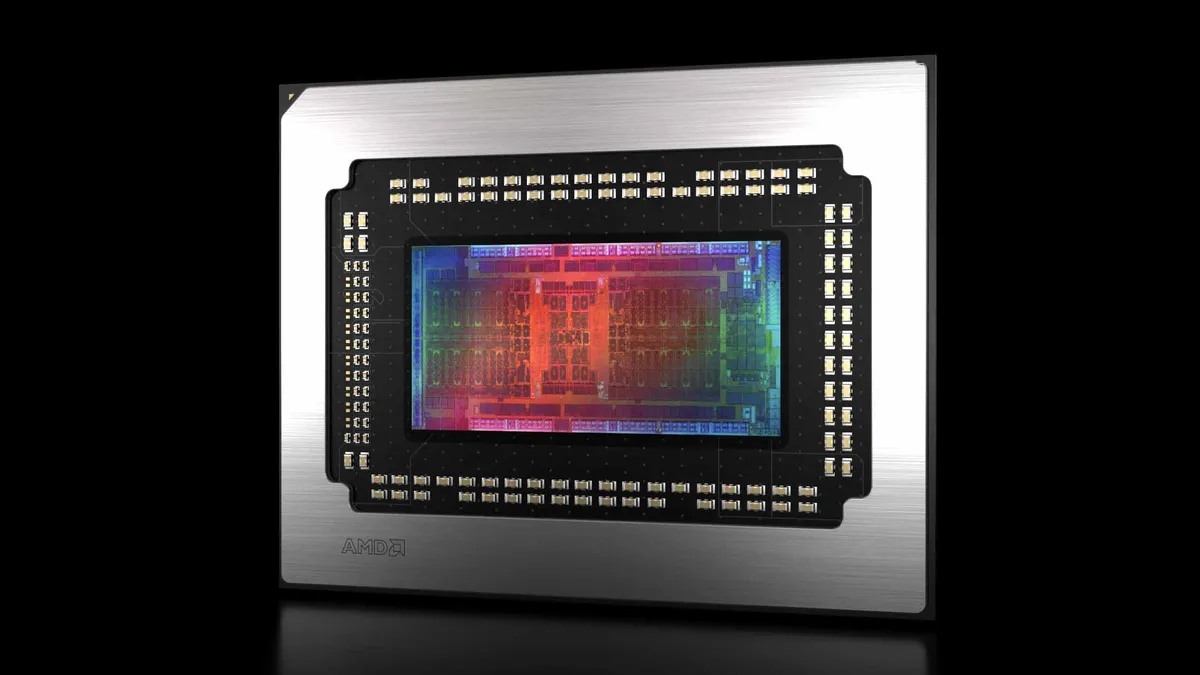
I suspect that Apple, Nvidia, and AMD will do something in between the extremes of massively ramping up prices and just using much smaller processors. It wouldn't come as a surprise if the next generation of iPhone, GeForce, , and Radeon chips are only fractionally better than what we have right now (perhaps no more than 10% better) but are, say, 30% more expensive, rather than 80%.
Even so, a 30% price hike on your favourite PC processors isn't exactly going to go down well. It could mean a graphics card normally selling for $300 would sport a price tag of just under $400.
Mass production of N2-based chips isn't expected until next year, with AMD most likely being the first chip company to have such products in the consumer market; Nvidia will probably focus on its AI GPUs with this node to begin with. If so, then the next generation of Ryzen processors will give us the biggest clue as to just how expensive TSMC's N2 really is.
1. Best CPU:
2. Best motherboard:
3. Best RAM:
4. Best SSD:
5. Best graphics card:
👉👈
GameAddict5058
I appreciate the themed slot games, especially those based on movies and TV shows. They make the gaming experience more engaging and immersive. The combination of storyline, visuals, and bonus features makes each game feel unique. The payout process is generally smooth and reliable, though occasionally it takes longer than expected. Overall, I feel confident that my winnings are safe and will be credited properly.